

How do earthed plugs with handles interface with electrical panels?
Leave a message

Earthed plugs with handles are essential components in electrical systems, providing a safe and convenient way to connect electrical devices to power sources. As a supplier of earthed plugs with handles, I have witnessed firsthand the importance of understanding how these plugs interface with electrical panels. In this blog post, I will delve into the technical aspects of this interaction, exploring the design, functionality, and safety considerations involved.
Design and Functionality of Earthed Plugs with Handles
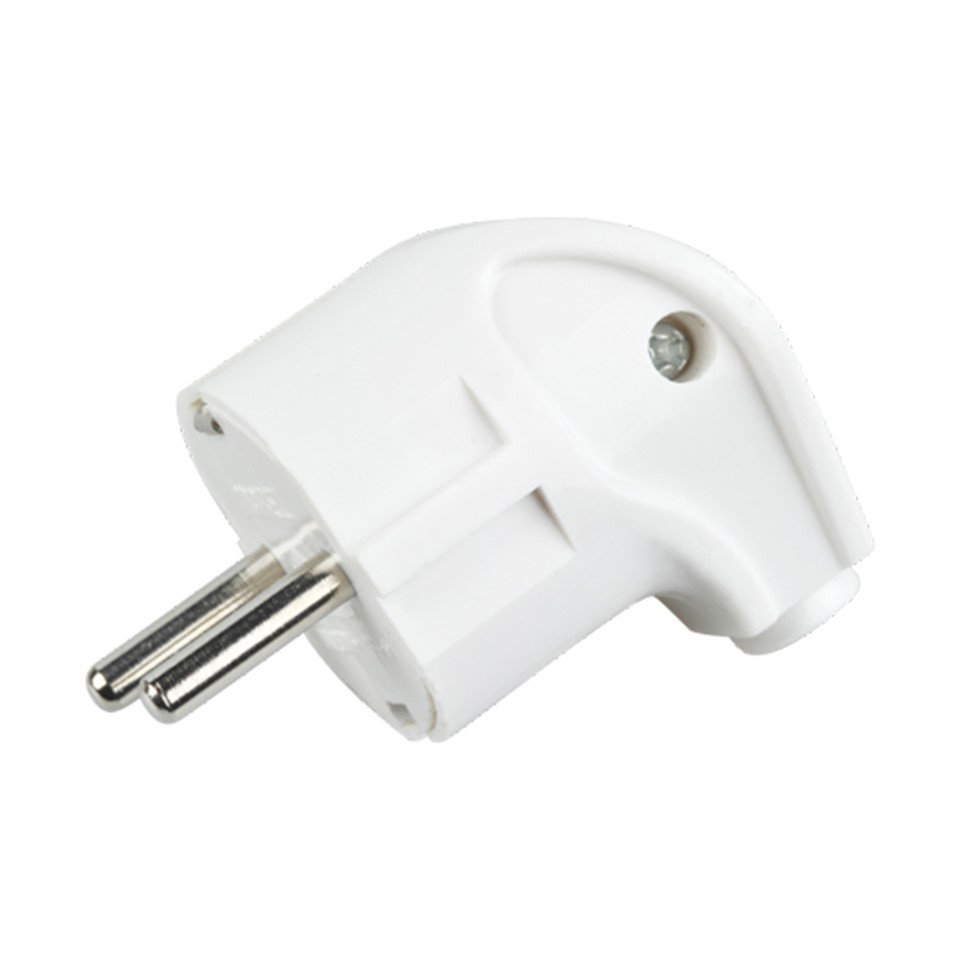
Earthed plugs with handles are designed to meet specific electrical standards and safety requirements. They typically consist of three main components: the plug body, the pins, and the handle. The plug body is usually made of a durable insulating material, such as plastic or rubber, to prevent electrical shock. The pins are made of conductive metal, such as copper or brass, and are designed to fit into the corresponding sockets in the electrical panel. The handle provides a convenient way to insert and remove the plug from the socket.
The design of earthed plugs with handles is based on the principle of grounding. Grounding is a safety measure that provides a path for electrical current to flow safely to the ground in the event of a fault. The third pin in an earthed plug is the grounding pin, which is connected to the earth through the electrical panel. This ensures that any electrical current that leaks from the device is safely redirected to the ground, preventing electrical shock and reducing the risk of fire.
Interfacing with Electrical Panels
When an earthed plug with a handle is inserted into an electrical panel, it establishes an electrical connection between the device and the power source. The pins on the plug make contact with the corresponding sockets in the panel, allowing electrical current to flow from the panel to the device. The grounding pin ensures that the device is properly grounded, providing an additional layer of safety.
The interface between the plug and the electrical panel is designed to be secure and reliable. The pins are designed to fit snugly into the sockets, preventing loose connections that could cause arcing or overheating. The handle on the plug provides a convenient way to insert and remove the plug, ensuring that the connection is made and broken safely.
Safety Considerations
Safety is of utmost importance when it comes to electrical systems. Earthed plugs with handles are designed to meet strict safety standards to ensure the protection of users and the prevention of electrical accidents. Here are some key safety considerations to keep in mind:
- Proper Installation: Earthed plugs with handles should be installed by a qualified electrician to ensure that they are properly connected to the electrical panel. This includes ensuring that the grounding pin is connected to the earth and that the plug is inserted correctly into the socket.
- Regular Inspections: It is important to regularly inspect earthed plugs with handles for signs of damage or wear. Any damaged or worn plugs should be replaced immediately to prevent electrical hazards.
- Compatibility: Earthed plugs with handles should be compatible with the electrical panel and the device they are being used with. Using an incompatible plug can cause electrical problems and increase the risk of electrical shock.
- Overloading: Overloading an electrical circuit can cause overheating and increase the risk of fire. It is important to ensure that the electrical panel and the plugs are rated for the maximum load they will be carrying.
Different Types of Earthed Plugs
There are several different types of earthed plugs available on the market, each designed to meet specific electrical standards and requirements. Here are some of the most common types:
- European 2 Pin Plug: This type of plug is commonly used in Europe and other parts of the world. It has two pins and is not earthed, which means it does not have a grounding pin.
- Earthed Plug (comply with Earth Pin): This type of plug has three pins, including a grounding pin. It is designed to provide an additional layer of safety by ensuring that the device is properly grounded.
- L Type Monoblock Plug: This type of plug is commonly used in Australia and other parts of the world. It has three pins and is designed to be used with electrical appliances that require a high level of safety.
Conclusion
Earthed plugs with handles play a crucial role in ensuring the safety and reliability of electrical systems. By understanding how these plugs interface with electrical panels, we can make informed decisions about their use and installation. As a supplier of earthed plugs with handles, I am committed to providing high-quality products that meet the highest safety standards. If you are in the market for earthed plugs with handles, I encourage you to contact me to discuss your specific needs and requirements. I would be happy to provide you with more information and help you find the right solution for your electrical system.

References
- National Electrical Code (NEC)
- International Electrotechnical Commission (IEC) standards
- Local electrical safety regulations


