

Are wirable plugs resistant to vibration?
Leave a message

Hey there! As a supplier of wirable plugs, I've been getting a lot of questions lately about whether these plugs are resistant to vibration. It's a valid concern, especially when you're using electrical equipment in environments where there's a lot of shaking or movement. So, let's dive into this topic and see what we can find out.
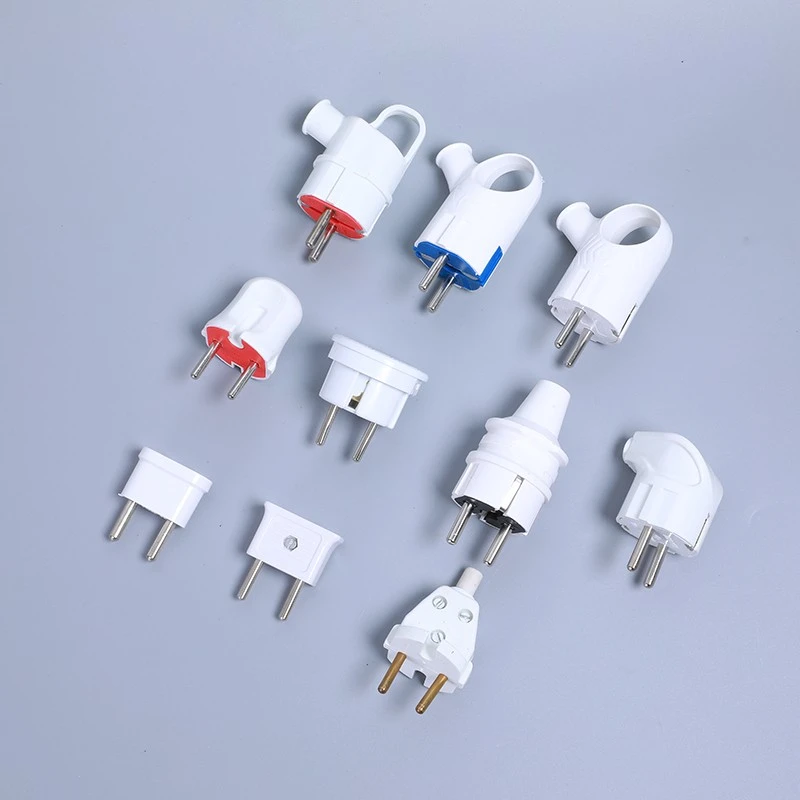
First off, what exactly are wirable plugs? Well, they're basically plugs that you can wire up yourself. You've got the flexibility to connect them to your electrical devices according to your specific needs. This is great for custom setups or when you're working on a DIY project. We offer a range of wirable plugs, like the Earthed Male Plug L Type Handled, European 2 Pin Plug, and European Style 2 Pin Electrical Power Plug. Each of these has its own unique features and is suitable for different applications.
Now, back to the main question: Are wirable plugs resistant to vibration? The answer isn't a simple yes or no. It depends on a few factors.
1. Design and Construction
The way a wirable plug is designed and built plays a huge role in its vibration resistance. High - quality wirable plugs are made with sturdy materials and have a well - thought - out design. For example, the pins are often made of high - conductivity metals that are thick enough to withstand some movement. The housing of the plug is usually made of durable plastic or other insulating materials that can hold up under stress.
If the plug has a tight fit between the pins and the socket, it's less likely to come loose due to vibration. Some plugs also have additional locking mechanisms or features that help keep them in place. For instance, a plug with a screw - down terminal can provide a more secure connection compared to one with just a simple push - in terminal.
2. Installation
How you install the wirable plug is also crucial. If the wiring is done incorrectly, it can lead to loose connections, which are more likely to be affected by vibration. When you're wiring up a plug, make sure the wires are properly stripped and inserted into the terminals. The connections should be tight, and there should be no exposed wires.
For example, if you're using a plug for a heavy - duty machine that vibrates a lot, you might want to double - check the wiring after the initial installation and then again after a few hours of operation. This can help catch any loose connections early on.

3. Application Environment
The environment in which the plug is used matters a great deal. If it's in a relatively stable environment with minimal vibration, like a home office or a small workshop, the chances of the plug being affected by vibration are lower. However, if it's used in an industrial setting where there are large machines, motors, or other equipment that generate a lot of vibration, the plug needs to be more robust.
In an industrial environment, the plug may be exposed to continuous or intermittent vibration, which can gradually loosen the connections over time. This is why it's important to choose the right type of plug for the specific application.
Testing Vibration Resistance
Manufacturers usually conduct vibration tests on their wirable plugs to ensure they meet certain standards. These tests involve subjecting the plugs to different levels and frequencies of vibration to see how they hold up.
For example, a plug might be placed on a vibrating platform and shaken at a specific frequency for a set period of time. The plug is then inspected for any signs of damage, loose connections, or changes in electrical performance. If the plug passes these tests, it's considered to have a certain level of vibration resistance.
Benefits of Vibration - Resistant Wirable Plugs
Using vibration - resistant wirable plugs has several advantages. Firstly, it ensures a more reliable electrical connection. When the plug stays in place and the connections remain tight, there's less risk of power interruptions or electrical arcing, which can be dangerous.
Secondly, it can extend the lifespan of the plug and the connected equipment. Loose connections due to vibration can cause overheating, which can damage the plug and the device it's connected to. By using a vibration - resistant plug, you can avoid these issues and save money on repairs and replacements in the long run.
Tips for Ensuring Vibration Resistance
Here are some tips to make sure your wirable plugs can handle vibration:
- Choose the Right Plug: As I mentioned earlier, pick a plug that's suitable for the application. If it's for a high - vibration environment, look for a plug that's specifically designed for that purpose.
- Proper Installation: Take your time when installing the plug. Follow the instructions carefully and make sure all the connections are secure.
- Regular Inspections: Check the plugs periodically, especially if they're in a high - vibration environment. Look for any signs of wear, loose connections, or damage.
Conclusion
So, are wirable plugs resistant to vibration? In general, well - designed and properly installed wirable plugs can have good vibration resistance. But it all boils down to the factors we've discussed: design and construction, installation, and the application environment.
If you're in the market for wirable plugs and need them to be vibration - resistant, don't hesitate to reach out. We can help you choose the right plug for your specific needs. Whether it's for a home project or an industrial application, we've got you covered. Contact us to start a discussion about your requirements and let's find the perfect wirable plug solution for you.
References
- Electrical Safety Standards Handbook
- Industry reports on plug and socket technology
- Manufacturer's specifications for wirable plugs


